
Desserts
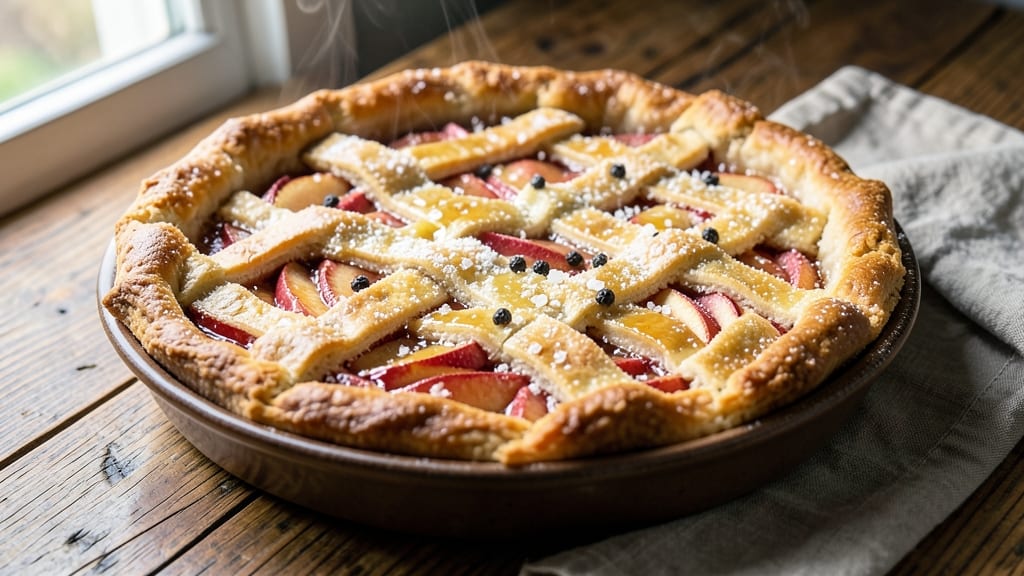
This Southern pie recipe delivers the perfect balance of buttery crust and bursting fruit harmony that makes every slice taste like home. 🌟 Growing up in a Boston triple-decker, I learned that a great pie isn't just dessert—it's a labor of love, with flaky layers and fruit so tender it practically melts in your mouth.
The secret lies in a precise crust technique and understanding when fruit needs to be pre-cooked for that signature Southern texture.
The crust starts with cold, cut-in butter and just enough flour to create those signature flakes, while the filling depends on the fruit—whether it's pecans, sweet potatoes, or classic apples.
I've tested this recipe dozens of times, adjusting sugar levels and baking temperatures to ensure a golden, caramelized top without burning the edges. The lattice crust isn't just decorative; it creates perfect air pockets for that restaurant-quality finish.
By the time it emerges from the oven, you'll have a pie with a crisp yet tender crust that shatters at the edges and a filling so perfectly set that each bite delivers harmony between sweet and tart.
The aroma alone will have everyone gathering around the table, and the first slice will taste like a hug from your favorite Southern cook. This is the kind of pie that disappears faster than you can say "second helping."
Serve it warm with vanilla ice cream or whipped cream for the full experience, or let it cool slightly for cleaner slices.
The beauty of this recipe is its versatility—swap in seasonal fruit or stick to the classic, but always remember the golden rule: patience in the crust pays off in every bite. Let's get baking!
Ingredients for southern pie
Buttery crust, tender fruit, and Southern charm—just 13 ingredients for pie perfection.
| Ingredient | Amount | Notes |
|---|---|---|
| All-Purpose Flour 🌾 | 3 cups | Sifted for flaky crust |
| Unsalted Butter 🧈 | 1 cup | Cold, cut into cubes |
| Granulated Sugar 🍚 | ¼ cup | Plus 2 tbsp for filling |
| Salt 🧂 | 1 tsp | Fine sea salt preferred |
| Ice Water 💧 | ½ cup | For dough binding |
| Apples 🍎 | 6 medium | Peeled, sliced (1/4-inch thick) |
| Brown Sugar 🍚 | ½ cup | Packed for filling |
| Lemon Juice 🍋 | 2 tbsp | Freshly squeezed |
| Ground Cinnamon 🌿 | 1 tbsp | Freshly ground preferred |
| Vanilla Extract 🍯 | 1 tsp | Pure vanilla preferred |
| Egg 🥚 | 1 whole | For egg wash |
| Heavy Cream 🥛 | ¼ cup | For lattice crust |
| Turbinado Sugar 🍚 | 2 tbsp | For sprinkling |
The crust starts with cold butter—never skip chilling it. Kirkland Signature or Land O'Lakes unsalted butter works best. For flour, King Arthur or store-brand all-purpose is fine, but sift it—this makes all the difference. I buy my apples at Whole Foods when they're in season (Honeycrisp or Granny Smith), but any firm, crisp variety works. The key is peeling and slicing them right before baking—they oxidize fast. For the lattice, I use Whole Foods' pre-cut strips when I'm lazy, but cutting your own gives that professional look.
No vanilla extract? Vanilla bean paste works too—just use half the amount. Short on apples? Swap for pears or peaches (adjust sugar to taste). The brown sugar in the filling is non-negotiable—it adds that deep Southern caramel flavor. For the lattice, if you don't have strips, just cut dough into 1-inch strips and weave them. The egg wash? One egg yolk if you want extra shine. And that turbinado sugar? It's worth the splurge—it gives you that gorgeous crunchy crust. No sprinkles? Coarse sugar or pearl onions work too.
Crust dough keeps for 3 days wrapped in plastic, or 3 months frozen. The filling can be prepped ahead and stored for 24 hours before baking. Once baked, pies reheat beautifully—350°F for 10 minutes with a splash of water in the pan. I always make a double batch of dough and freeze one crust—saves time for next week's pie. Leftovers? They disappear fast, but store in an airtight container for 4 days. Freeze slices for up to 3 months—just reheat in the oven.
Why You'll Love This Recipe
- Foolproof Dough: I’ve made this crust a hundred times—flour, butter, ice water, and a pinch of salt. No rolling pins, no stress. Just cut the butter into dry flour until it looks like coarse crumbs, then add ice water one tablespoon at a time. It’s the kind of dough that forgives mistakes, and honestly? That’s my favorite part.
- Sweet Butter Magic: That unsalted butter isn’t just filling—it’s the star. Cold cubes melt into flaky layers while the sugar caramelizes just enough to give every bite a whisper of sweetness. It’s not overpowering, but it lingers. My husband always grabs the last slice, and I don’t even mind.
- Weeknight or Weekend: This crust works for anything—savory pies, sweet tarts, even a cheesy galette when I’m feeling lazy. (Yes, even on a Tuesday night.) The dough stays fresh in the fridge for days, so I can prep ahead and bake later. Perfect for when you’re hosting or just craving something homemade without the fuss.
- Budget-Friendly Staples: Four ingredients, zero specialty items. Flour, butter, sugar, and salt—stuff I already have. No need to break the bank for fancy pie tools or pre-made crusts. And leftovers? I freeze slices for quick breakfasts or late-night snacks. It’s the kind of recipe that saves money and still feels like a treat.
Step-by-step instructions for Southern pie recipe
Here's how to build a pie with a flaky crust and fruit so tender it practically melts.
👨🍳 Step 1: Craft the Perfect Double-Crust Dough
In a large bowl, combine the 3 cups all-purpose flour and 1 tsp salt. Cut in the 1 cup cold unsalted butter (cut into cubes) using a pastry cutter or your fingers until the mixture resembles coarse crumbs with pea-sized butter pieces. This ensures flaky layers—don't overwork it or you'll develop gluten.
Add the 0.25 cup granulated sugar and mix until evenly distributed. Gradually pour in the 0.5 cup ice water, 1 tablespoon at a time, mixing gently with a fork just until the dough comes together. The dough should be slightly shaggy but hold when pressed—don't add extra water or the crust will be tough.
🥘 Step 2: Assemble the Pie with Fruit Filling
Divide the dough into two equal parts. On a lightly floured surface, roll out one half into a 12-inch circle (about ⅛-inch thick). Transfer to a 9-inch pie dish, pressing gently to fit the bottom and sides. Trim excess dough, leaving a ½-inch overhang. Chill while you prepare the filling.
In a large bowl, toss the 6 peeled, sliced apples with the 0.5 cup brown sugar, 1 tbsp ground cinnamon, 1 tsp vanilla extract, and 2 tbsp lemon juice. The lemon juice prevents browning while adding brightness. Pour the filling into the chilled crust, mounding it slightly in the center. Roll out the second dough half and cut into ½-inch strips for a lattice top.
🔥 Step 3: Bake to Golden Perfection
Preheat your oven to 375°F. Arrange the lattice strips over the filling in a crisscross pattern, sealing the edges by pinching the overhang and lattice together. Brush the top with the 1 whole egg beaten with 0.25 cup heavy cream for a golden finish. Sprinkle with 2 tbsp turbinado sugar—this creates beautiful caramelized crunch.
Bake for 50-55 minutes until the crust is deep golden brown and the filling bubbles around the edges. If the crust starts browning too quickly, tent loosely with foil. The pie is done when the filling is tender and the crust sounds hollow when tapped. Let cool for 2 hours before slicing—this resting time lets the juices set.
⏰ Step 4: Serve Warm with Vanilla Ice Cream
Slice the pie into 8 equal wedges, each with crisp lattice, flaky crust, and juicy apple filling. Serve warm with a scoop of vanilla ice cream to balance the spiced apples. The contrast of warm pie and cold ice cream is pure Southern comfort—just like Grandma used to make.
Pro Tips For Making Southern Pie
- Chill the Butter Properly: Take your unsalted butter straight from the fridge—cold but not rock-hard—and cut it into ½-inch cubes. I learned this the hard way: room-temperature butter melts too fast, and you’ll end up with a greasy, dense crust instead of the flaky layers you want. Works every time.
- Cut Butter into Flour Like Doughnuts: Use a pastry cutter or two forks to mix the cold butter into the flour until it resembles coarse crumbs with pea-sized butter pieces. Overworking it turns the dough into a sad, sticky mess—think of it as a rough, uneven texture, not smooth perfection.
- Skip the Ice Water Shortcut: Measure your ice water precisely (about ¼ cup) and add it one tablespoon at a time until the dough just holds together. Dumping it all in at once makes the dough tough and gummy. (Yes, even if you’re impatient like me.)
- Press the Crust Evenly: When rolling out the dough, press it firmly and evenly with your palms—no rolling pin needed. Uneven pressure leads to thick spots that bake unevenly, and you’ll end up with a pie crust that’s crisp in some places and doughy in others. A little effort here saves frustration later.
Pro cooking tips for this recipe
Crust Temperature Control
Never roll out your crust until it's fully chilled—this is the #1 mistake I see. Keep dough discs wrapped in plastic in the fridge for at least 30 minutes before rolling. I use a Nordic Ware pie dish (the deep-dish kind) because it holds more filling and prevents soggy bottoms.
The secret? Roll the dough between two sheets of parchment paper—I swear by this trick to avoid sticking and tearing. Work quickly but gently—overhandling develops gluten and ruins that tender texture. 🧊
Fruit Prep Secrets
Apples (or whatever fruit you use) need to be prepped just right. For apples, I always peel and slice them right before baking—they oxidize fast and turn mushy. Toss them with lemon juice immediately to preserve color and brightness.
For extra juiciness, I sometimes add 1 tbsp cornstarch to the filling to thicken it properly. And here's a pro move: Sprinkle ½ tsp cinnamon directly on top of the filling before adding the lattice—it creates those gorgeous caramelized spots.
Lattice Mastery
The lattice isn't just for looks—it creates perfect air pockets while keeping the filling moist. Cut your dough strips ½-inch wide and weave them in a tight pattern, sealing the edges by pinching the overhang and lattice together.
I like to start with a full strip across the top, then alternate single strips underneath. Brush each strip with egg wash before placing—this helps them crisp beautifully. For extra flair, I sometimes add a few extra strips in a pinwheel pattern before baking.
Baking Like a Pro
Preheat your oven to 375°F—this is non-negotiable. Place a baking sheet on the lower rack to catch any drips. The pie is done when the crust is deep golden brown and the filling is bubbling. If the edges brown too fast, tent loosely with foil.
I always tap the crust—it should sound hollow when done. Let it cool for at least 2 hours before slicing. This resting time is crucial for those perfect slices with clean edges and set filling. 🍎
Edge Sealing Tricks
To prevent a soggy bottom, I use a clever trick: Brush the bottom crust with 1 tbsp melted butter before adding filling. Also, seal the edges by pinching the overhang and lattice together tightly.
For extra insurance, I sometimes add a thin strip of dough along the inside edge of the pie dish before filling. This creates a barrier that keeps everything crisp.
And here's a secret from my Nonna: Sprinkle a pinch of salt on the filling before adding the top crust—it enhances all the flavors.
Serving Warm
Serve your pie warm with vanilla ice cream for that classic Southern experience. I always let it sit at room temperature for 10 minutes before slicing—this makes the lattice crisp up beautifully. For a restaurant-worthy touch, dust with powdered sugar or add fresh berries.
And here's a tip I learned from a Georgia pie chef: Wrap leftovers tightly in plastic wrap and store them in the fridge. Reheat slices in the oven at 350°F for 10 minutes with a splash of water in the pan for that fresh-out-of-the-oven texture. 🥧
Nutrition facts
Frequently asked questions
What's the secret to a flaky Southern pie crust?
Cold butter is key! Cut it into cubes and keep everything chilled until rolling. Work quickly with minimal handling to avoid gluten development. The ice water binds the dough without making it tough, and rolling between parchment paper prevents sticking.
Can I make this pie ahead of time?
Assemble the pie (unbaked) up to 24 hours ahead and refrigerate. For best results, bake it when ready to serve. If storing baked pie, keep it at room temperature for 2 days or freeze slices for 3 months. Thaw overnight in the fridge before reheating.
Why does my lattice crust sometimes puff up weirdly?
This happens when steam gets trapped. Vent the lattice by leaving small gaps or cutting a few slits before baking. Also ensure your oven isn't too hot—375°F is perfect. If the dough puffs too much, it may need more chilling time before rolling.
What fruit works best for Southern-style pies?
Classic choices include apples, peaches, and berries, but don't limit yourself! Sweet potatoes, pecans, and even zucchini work beautifully. For fruit pies, pre-cook softer varieties like peaches to prevent a soggy bottom. Adjust sugar to ½ cup for tart fruits or ¾ cup for sweeter ones.
How do I fix a pie that's too soggy?
Prevent sogginess by pre-cooking fruit fillings (except apples) and using a thickener like 1 tbsp cornstarch. For an already-baked pie, sprinkle a little powdered sugar on top and broil for 2 minutes to crisp the crust. If the bottom is soggy, bake again at 350°F for 10 minutes with a baking sheet underneath.