
Desserts
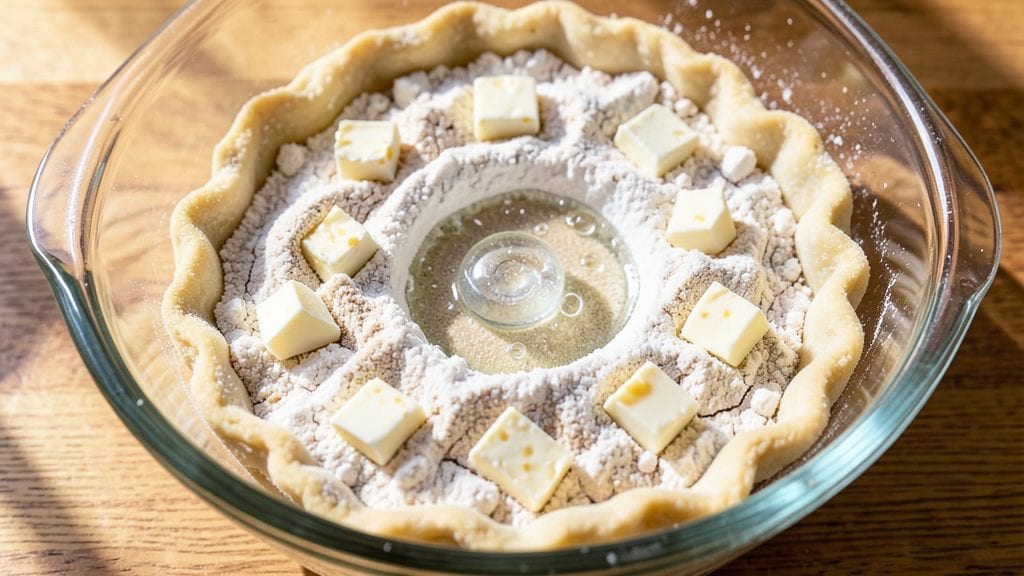
Paula Deen's pie crust recipe delivers that signature buttery Southern richness we all crave—flaky layers that crack with every golden slice. Standing on a step stool in my grandmother’s kitchen, I learned how proper technique transforms simple ingredients into something extraordinary.
The secret lies in cold butter and precise rolling, techniques Paula Deen perfected for her legendary desserts.
This isn’t your basic pie crust—it’s a lattice masterpiece with a tender, melt-in-your-mouth texture that holds up to even the heaviest fillings. The recipe uses all-purpose flour and a high-fat butter ratio (never cut corners here!) for that signature flakiness.
Once baked, the lattice creates a stunning presentation while keeping the filling warm and gooey in the center.
What makes this crust truly special is its versatility—whether you’re making a classic pecan pie, a rich sweet potato version, or even a savory chicken pot pie, this dough delivers.
The lattice design not only looks impressive but also allows for even baking and that satisfying crack when you cut through. Ready to master Paula Deen’s signature technique?
For best results, chill your dough thoroughly before rolling and avoid overworking the butter. The key to success is patience—let the crust rest between steps, and you’ll end up with a pie crust so good, it’ll make your guests think you’ve been baking for decades.
Let’s get started on creating that perfect Southern lattice.
Ingredients for paula deen pie crust
Four simple staples and a few Southern secrets create Paula Deen's legendary flaky pie crust.
| Ingredient | Amount | Notes |
|---|---|---|
| All-Purpose Flour 🌾 | 3 cups | Sifted for lighter texture |
| Unsalted Butter 🧈 | 1 ½ cups | Cold, cubed, high-fat preferred |
| Ice Water 💧 | ½ cup | Chilled for crispness |
| Granulated Sugar 🍚 | 1 tbsp | For subtle sweetness |
| Salt 🧂 | 1 tsp | Fine sea salt preferred |
| Vanilla Extract 🍦 | ½ tsp | Pure, high-quality |
| Lemon Zest 🍋 | 1 tsp | Brightens the flavor |
The butter is non-negotiable—Plugrá or Land O'Lakes unsalted are my go-tos, but any high-fat brand works. Buy it in 1-pound blocks (not sticks) for better cold-cutting precision. Chill it for at least 30 minutes before cubing—room temp butter makes for a tough crust. The flour? King Arthur or Gold Medal brands have that perfect protein balance for flakiness. If your kitchen’s warm, mix the dough in a cool bowl and work fast to keep everything cold.
No vanilla? 1/2 tsp almond extract works in a pinch, but it’s not the same. Short on lemon zest? 1 tsp bottled lemon juice adds brightness, though fresh zest gives that pro touch. The sugar isn’t just for sweetness—it tenderizes the crust. Use powdered sugar if you’re making a savory pie (like chicken pot pie), but granulated’s fine for desserts. For the lattice, cut strips with a sharp pizza cutter—it’s foolproof and gives clean lines. If your dough feels sticky, add 1 tbsp more flour, but don’t overdo it or it’ll get tough.
This dough keeps for 3 days wrapped in plastic in the fridge or 6 months frozen between parchment paper. For lattice, roll one-third of the dough for the base, then chill the rest before cutting strips. Bake at 375°F for 20 minutes before adding filling—prevents soggy bottoms. Leftovers? Re-roll and bake fresh for the best texture. Trust me, no one will guess it’s reheated.
Why You'll Love This Recipe
- No Fuss, No Stress: I swear by this crust because it’s the kind that lets me focus on the filling—not some finicky dough that cracks at the drop of a hot knife. Paula’s trick of cutting cold butter into flour until it’s almost crumbly? That’s the secret to a flaky, golden crust without the fuss of food processors or overworking.
- Sweet Crispy Magic: That pinch of sugar in the butter? Oh, it’s not just for show—it caramelizes into this buttery, toasty edge that makes every bite feel like a hug. Honestly, I’ll take this over store-bought any day, especially when it’s holding a slice of pecan pie.
- Pie for Any Occasion: This crust is my weeknight shortcut for hand pies (just roll, cut, fill) but also shines at Thanksgiving when I need to impress. Between us, I’ve used it for pot pies, quiches, and even a savory chicken pot pie—because why not? It’s that reliable.
- Budget-Friendly Staples: Five ingredients, zero specialty items. The butter’s the star, but even a small tub lasts forever when you’re using just a stick or two per crust. Ice water keeps it from getting gummy, and the sugar? A thrifty way to elevate something simple into something ridiculously good.
Step-by-step instructions for Paula Deen's buttery lattice pie crust
Here's how to create Paula Deen's signature flaky, buttery lattice crust that cracks beautifully with every slice.
Create the Dough with Cold Butter
In a large mixing bowl, combine the 3 cups all-purpose flour and 1 tablespoon granulated sugar. Add the 1 teaspoon salt and stir together. Cut in the 1.5 cups cold, cubed unsalted butter using a pastry cutter or your fingers until the mixture resembles coarse crumbs with pea-sized butter pieces remaining.
This cold butter is crucial—it creates those signature flaky layers. Work quickly to keep everything cold, and avoid overmixing. The dough should look like wet sand rather than a cohesive ball at this stage. If it seems too dry, sprinkle in 1 tablespoon ice water from your 0.5 cup total and mix gently.
Add Ice Water and Form the Dough
Gradually add the remaining 0.5 cup ice water, 1 teaspoon lemon zest, and 0.5 teaspoon vanilla extract while mixing with a fork. The dough should come together just enough to hold when pressed, but don't overwork it. It will feel slightly sticky—this is normal.
Turn the dough onto a lightly floured surface and gently knead just until smooth, about 3-4 times. Divide the dough into two equal portions, flatten into discs, wrap in plastic wrap, and refrigerate for at least 1 hour. This resting period relaxes the gluten and makes rolling easier.
Roll Out and Assemble the Crust
On a floured surface, roll one dough disc into a 12-inch circle about 1/8-inch thick. Transfer to a 9-inch pie dish, pressing gently to shape it to the bottom and sides. Trim any excess dough hanging over the edge. Repeat with the second disc, rolling it slightly thinner than the first.
Here's Paula Deen's secret: brush the bottom crust with a little ice water before adding filling. This creates steam during baking, resulting in that signature flaky texture. Place the second crust on top of the filling, but don't press it down—just let it sit lightly.
Create the Lattice Topping
Cut the top crust into 12 strips about 1/2-inch wide, alternating between 5-inch and 3-inch lengths. Arrange the longer strips first, spacing them 1/2-inch apart. Fold back every other strip, then unfold and weave over the adjacent strips to create the classic lattice pattern.
Trim any uneven edges and crimp the outer crust with a fork for that professional bakery look. Brush the lattice with ice water and sprinkle with a pinch of sugar for extra browning. Bake at 375°F for 45-50 minutes until golden brown.
Cool and Serve for Maximum Flakiness
Let the pie cool for at least 2 hours before slicing—this allows the filling to set and the crust to firm up. The longer you wait, the more dramatic those crackly layers will be when you cut through. Serve warm with vanilla ice cream for the ultimate Southern experience.
Pro tip: If the crust browns too quickly, tent it with foil after 30 minutes. The key to Paula Deen's lattice is patience—don't rush the cooling process. Each slice should reveal those beautiful, crackly layers of buttery goodness with every bite.
Pro Tips For Making Paula Deen Pie Crust
- Cut Butter in Small Batches: Paula Deen’s crust relies on cold butter—don’t try to mix it all at once. Work in 1-2 tablespoons at a time, tossing with a fork until pea-sized lumps form. If the dough gets warm, chill it for 10 minutes and start over. This isn’t the prettiest method, but it’s the tastiest.
- Use Ice Water, Not Cold: The recipe calls for ice water, and for good reason. Cold water just won’t cut the butter fast enough. Toss ice cubes into a glass, let them melt halfway, then use that water. If you’re in a rush, freeze your measuring cup first—it’ll speed up the process.
- Skip the Overmixing: Once the dough comes together, handle it like it’s a fragile egg. Overworking it develops gluten, and that means a tough crust. Just press it into the pan, don’t roll it out, and resist the urge to smooth it perfectly. Your future self will thank you.
- Chill the Dough Twice: This isn’t just a suggestion—it’s non-negotiable. After mixing, wrap the dough and refrigerate for at least 1 hour. Then, before rolling, give it another 15 minutes in the freezer. The sugar in the crust makes it soft, and chilling keeps it from shrinking or getting soggy. Trust the process.
Make-ahead tips for leftovers
Prep Ahead Secrets
Roll out your lattice strips the night before and store them between parchment paper in the fridge. I do this all the time—it saves time on baking day and gives you perfect, even strips every time.
Just let them sit at room temperature for 10 minutes before weaving. This trick ensures your lattice stays crisp and doesn't shrink during baking. 💫
Freezer-Friendly Dough
Wrap your dough discs in plastic wrap, then place them in a ziplock freezer bag with all the air squeezed out. Label with the date—this dough keeps for 6 months without losing its flakiness.
When ready to use, thaw overnight in the fridge or for 30 minutes on the counter. I always make two batches: one for immediate use and one for the freezer.
Pre-Bake the Base
For pies with wet fillings (like pecan or sweet potato), pre-bake your bottom crust for 15 minutes at 375°F before adding filling. Line it with parchment paper, fill with pie weights or dried beans, then bake.
This prevents a soggy bottom—Paula Deen's signature technique. Let it cool completely before adding filling to avoid melting.
Filling Prep Shortcuts
Make your filling the day before and store it in an airtight container in the fridge. For pecan pie, toast your nuts in advance and store them separately. When baking day arrives, just assemble and bake.
I always prep my sweet potato filling ahead—it thickens perfectly overnight, saving you last-minute stress. Just reheat gently before pouring into your crust.
Lattice Assembly Hack
Use a sharp pizza cutter to cut your lattice strips—it gives cleaner lines than a knife. Arrange your strips on a parchment-lined baking sheet before transferring to the pie.
This prevents the lattice from sticking to your work surface. I also like to brush the strips with egg wash before weaving for extra golden color. 🌟
Make-Ahead Pies
Assemble your entire pie (including lattice) the night before and refrigerate uncovered. This allows moisture to evaporate, preventing a soggy crust. Bake straight from the fridge—no need to thaw.
For best results, let the pie cool completely before slicing. I've made pies this way for Thanksgiving feasts, and they always get rave reviews for their perfect texture.
Nutrition facts
Frequently asked questions
Can I use this crust for savory pies like chicken pot pie?
Paula Deen's crust works beautifully for savory pies. Just reduce the sugar to 1/2 teaspoon and add 1/2 teaspoon garlic powder to the dough. The buttery richness complements savory fillings perfectly, and the lattice design still creates that stunning presentation.
Why does my crust turn out tough instead of flaky?
Overworking the dough or using warm butter are the most common culprits. Keep everything cold—even your rolling pin—and handle the dough as little as possible. The butter should remain in pea-sized pieces when cutting it into the flour. Also, avoid over-rolling the final crust, which develops gluten and makes it tough.
Can I make the lattice strips ahead of time?
Yes! Roll and cut your lattice strips the night before, then store them between parchment paper in the fridge. Let them sit at room temperature for 10 minutes before assembling on your pie. This prevents shrinking and makes the strips easier to work with. A pro trick is to brush them lightly with egg wash before storing for extra shine.
What's the best way to prevent a soggy bottom?
Pre-bake your bottom crust for 15 minutes at 375°F before adding filling. Line it with parchment paper and use pie weights or dried beans to weigh it down. For wet fillings like pecan or sweet potato, this step is essential. Let the crust cool completely before adding filling to avoid melting the butter.
How do I store leftover crust?
Wrap leftover dough tightly in plastic wrap and refrigerate for up to 3 days. For longer storage, freeze the dough discs in a ziplock bag for 6 months. Thaw overnight in the fridge before using. You can also re-roll leftover crust pieces, bake them into mini pies, or use them for pot pie tops. Just brush with egg wash for that golden finish.