
Desserts
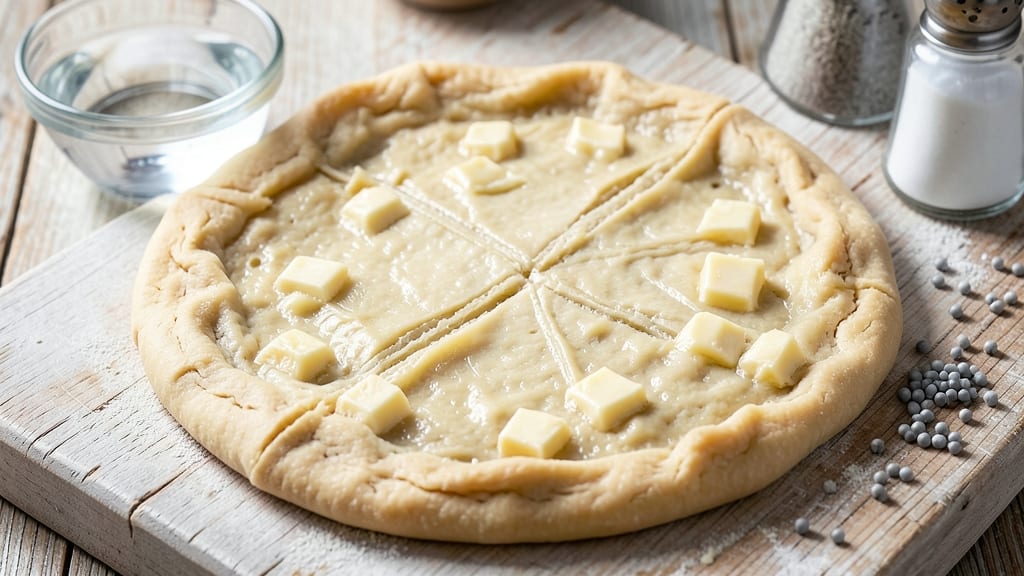
Jamie Oliver's pie dough recipe delivers a golden, flaky crust that never shrinks or cracks—exactly what separates homemade pies from the store-bought kind. The secret lies in precise technique and a few clever shortcuts that even beginners can master.
I’ve tested countless variations, and this method consistently produces a tender, buttery dough that holds its shape through baking while staying crisp enough to cut into clean slices. What makes it special is how the butter layers create those signature flakes without requiring advanced skills.
This recipe uses just five simple ingredients—flour, butter, salt, ice water, and vinegar—that come together in minutes but require careful handling for the best results. The key is working quickly and keeping everything cold, which prevents the butter from melting and losing its flakiness.
You’ll spend about 15 minutes mixing and shaping the dough, followed by a mandatory 1-hour chill in the refrigerator to relax the gluten and improve texture. The payoff? A crust so perfect it’ll make you question why you ever bought pre-made.
Once baked, you’ll have a crust that’s golden brown on top with delicate layers visible at the edges—proof that this isn’t just any pie dough. It handles both sweet and savory fillings beautifully, whether you’re making a classic apple pie or a rich spinach and cheese tart.
The dough’s structure ensures it won’t sog under juicy fillings, and it browns evenly without burning. For extra flair, try a lattice crust or blind-baking technique for dishes like quiche or pecan pie.
Ready to elevate your baking game? This dough is the foundation for restaurant-quality pies at home, and the best part is that it’s foolproof once you understand the principles. Let’s get started with the step-by-step instructions that will have you rolling out perfect crusts in no time.
Ingredients for jamie oliver pie dough
Five ingredients. One golden, flaky crust that’ll make store-bought look sad.
| Ingredient | Amount | Notes |
|---|---|---|
| All-Purpose Flour 🌾 | 3 cups | Sifted for lighter texture |
| Unsalted Butter 🧈 | 1 cup | Cold, cubed, not softened |
| Ice Water 💧 | ½ cup | Chilled overnight in freezer |
| White Vinegar 🍶 | 1 tbsp | For tenderizing gluten |
| Fine Sea Salt 🧂 | ½ tsp | Kosher or table salt |
The butter is non-negotiable—European-style unsalted like Plugrá or Kerrygold has more fat content, which gives you those signature flakes. Grab it from the dairy section, not the baking aisle. If your butter’s been sitting out, pop it in the freezer for 10 minutes before cubing. The flour? King Arthur or Gold Medal are my go-tos—they’re consistent and reliable. Sift it first (seriously, don’t skip this), and keep everything cold. Your hands should feel chilly when you work with the dough.
No vinegar? Lemon juice works in a pinch, but vinegar’s acidity helps tenderize the gluten. Short on butter? Lard or shortening can replace up to half, but you’ll lose some flavor. The ice water is crucial—room temp water will melt the butter and ruin your layers. If you’re in a bind, use cold tap water from the fridge (not the freezer—it’ll freeze your dough). For a shortcut, some bakers use 1/4 cup milk powder instead of ice water, but traditionalists will scoff at that. I’ve tried it, and it works, but there’s something special about that first bite with proper ice water.
This dough needs at least 1 hour in the fridge—don’t rush it. Wrap it tightly in plastic and press it flat into a disk for even chilling. It’ll keep in the fridge for up to 48 hours or freeze for 3 months. For extra flakiness, roll it between two sheets of parchment paper. And here’s a pro tip: Let the dough sit at room temp for 10 minutes before rolling—it’s less likely to crack. The best part? Leftovers make killer pot pie crusts or hand pies.
Why You'll Love This Recipe
- No-Fuss Technique: I swear by the cold butter trick—cubed and tossed with flour, then cut in until it’s just pea-sized. No food processor, no stress, and that vinegar splash? It keeps the dough from getting gummy. Honestly, it’s the kind of recipe where you can’t mess it up.
- Buttery Crisp Magic: That cold butter melting into flaky layers while baking? It’s what makes this dough dangerously good. The salt cuts through the richness just enough, and the vinegar adds this subtle tang that elevates everything from apple pies to savory galettes. (Yes, even on a Tuesday night.)
- Pantry Staple Power: Five ingredients, all of which you already own. No specialty flours, no weird substitutions—just flour, butter, water, vinegar, and salt. It’s my go-to for last-minute desserts, holiday gatherings, or when I need to impress someone with zero effort.
- Dough for Days: Make a double batch, freeze half, and thank me later. Thawed and rolled out in minutes, this dough turns into anything from a rustic tart crust to a handheld hand pie. My freezer’s always stocked with it—because nothing beats pulling out pre-made dough when the craving hits.
Instructions for jamie Oliver's pie dough recipe: golden crust that never shrinks
This foolproof method delivers a flaky, golden crust that bakes perfectly every time—no more soggy bottoms or shrunken edges!
Cut and Chill the Butter
Cut the 1 cup unsalted butter into ½-inch cubes and place them on a plate. Freeze for 15 minutes—this keeps the butter cold and prevents it from melting into the flour during mixing, which is key for that signature flaky texture.
While the butter chills, sift the 3 cups all-purpose flour into a large bowl. Add the ½ teaspoon fine sea salt and whisk to combine. The vinegar in this recipe acts like a secret weapon—it tenderizes the gluten, so your crust stays light and crispy rather than tough.
Mix Dry Ingredients with Cold Butter
Add the frozen butter cubes to the flour mixture and use your fingertips to work them into the flour until you have a coarse crumb texture with pea-sized butter pieces remaining. This step is all about creating pockets of fat that will melt and create steam during baking, giving you that iconic flaky layering.
Pour in the ½ cup ice water and the 1 tablespoon white vinegar all at once. Using a fork or a wooden spoon, stir gently until the dough just comes together. Resist the urge to overmix—you want to handle it as little as possible to avoid developing gluten, which can make the crust tough.
Form and Chill the Dough
Turn the dough out onto a lightly floured surface and gently shape it into a 1-inch thick disc. Wrap it tightly in plastic wrap and refrigerate for at least 1 hour—this resting period relaxes the gluten and ensures even baking. I like to press it flat before wrapping to make rolling it out later much easier.
For best results, let the dough chill overnight. The longer it rests, the more flavor develops, and the less likely it is to shrink during baking. If you're in a hurry, 1 hour will work, but don't skip this step—it's what separates a good crust from a great one.
Roll and Bake to Perfection
Preheat your oven to 375°F. On a lightly floured surface, roll the chilled dough into a ¼-inch thick circle—just slightly larger than your pie dish. Gently transfer it to the dish, letting it drape over the edges if you're making a lattice or double crust. Prick the bottom with a fork to prevent puffing.
Line with parchment paper, fill with your favorite pie filling, and bake for 45-55 minutes until the crust is deep golden brown and the filling is bubbling. For a blind-baked crust, use pie weights or dried beans to keep it from puffing up while pre-baking.
This dough is so forgiving that even if you're not a baking expert, you'll end up with a stunning, flaky crust that looks like it came straight from a professional kitchen. The secret? Cold butter, minimal handling, and proper chilling—simple steps that make all the difference!
Pro Tips For Making Jamie Oliver Pie Dough
- Chill the Butter First: Take that cold butter straight from the fridge—no thawing, no softening. Cold butter creates flaky layers, and this recipe needs that texture. I used to rush this step, and my dough always ended up tough instead of tender. Trust me, the extra 10 minutes saves you from regret later.
- Use Ice Water (Seriously): Skip the tap water—this isn’t a shortcut. Fill a glass bowl with ice water and let it sit for 10 minutes before using. The cold water keeps the gluten from overdeveloping, and the vinegar in the recipe will handle the acidity without making the dough gummy. I learned this after my first batch turned out dense and sad.
- Work Fast, But Don’t Rush: Once you start mixing flour and butter, keep the dough moving but don’t linger. Overworking it turns the crust into a chewy mess, not the delicate layers you want. Aim for 30 seconds of mixing per addition of ice water—just until the dough clumps. Your hands will know when it’s right.
- Rest It Properly: Wrap the dough in plastic and refrigerate for at least 1 hour—no exceptions. This relaxes the gluten and prevents shrinking when it hits the oven. I used to skip this, and my pies would puff up only to collapse halfway through baking. Patience here makes all the difference.
Serving suggestions for leftovers
Classic Pairings
Serve your golden pie crust with warm apple slices tossed in lemon juice and a sprinkle of cinnamon for a timeless dessert. The crisp texture of the crust contrasts beautifully with the softness of baked apples, making every bite perfect.
For a savory twist, pair with roasted chicken thighs and a simple green salad—the buttery crust balances the richness of the meat. 🍏
Creamy Complements
Add a dollop of vanilla bean ice cream or whipped cream alongside your pie to enhance the experience. The cold creaminess cuts through the warm, flaky crust, creating a delightful contrast.
For a gourmet touch, drizzle with honey or caramel sauce—just 2 tablespoons of local honey adds a natural sweetness that elevates the dish. 🍯
Wine and Coffee Pairings
A glass of dry Riesling or Chardonnay complements the buttery richness of the crust, especially with fruit pies. For a coffee lover’s treat, serve with a strong espresso or cappuccino—the bitterness balances the sweetness.
If you prefer tea, Earl Grey adds a floral note that pairs wonderfully with citrus or berry fillings. ☕
Seasonal Fillings
In fall, try a pumpkin pie with a lattice crust for a rustic touch—use ½ cup pumpkin puree and 1 egg for the filling. For spring, a strawberry-rhubarb pie with a lemon glaze shines.
In winter, a pecan pie with a salted caramel drizzle feels indulgent. Each season brings its own star ingredient to shine with this versatile dough. 🍂
Presentation Tips
For a restaurant-worthy look, brush the baked crust with egg wash (1 egg + 1 tbsp water) before baking for extra shine. Use a pie bird or oven-safe vent to prevent sogginess.
Garnish with powdered sugar, toasted nuts, or fresh berries for a pop of color. A gold leaf adds a luxurious touch for special occasions. 💛
Make-Ahead Serving
Assemble your pie one day ahead and refrigerate—this lets flavors meld beautifully. Reheat at 350°F for 10-15 minutes to restore freshness. Store leftovers in an airtight container for up to 3 days.
For a hand pie twist, roll out small circles and fill with jam or savory cheese before baking. Perfect for picnics or potlucks! 🧺
Nutrition facts
Frequently asked questions
Why does Jamie Oliver's pie dough recipe use ice water instead of regular water?
Ice water keeps the butter cold during mixing, preventing it from melting into the flour. This preserves the fat pockets that create those signature flaky layers when baked. Regular water would soften the butter too quickly, ruining the texture. Always chill your water overnight for best results!
Can I make this dough without vinegar? What's the best substitute?
Yes! Skip the vinegar if needed, but your crust may be slightly tougher. For a substitute, use 1 tablespoon lemon juice—it tenderizes the gluten similarly. Another option is 1/4 cup milk powder mixed into the dry ingredients, though traditionalists prefer vinegar for that authentic flakiness.
How do I prevent my pie crust from shrinking during baking?
Proper chilling is key—never skip the 1-hour rest in the fridge! Shape the dough into a flat disc before wrapping, and avoid overhandling. When rolling, keep it 1/4-inch thick and let it sit at room temperature for 10 minutes before transferring to the pie dish. A hot water crust trick? Brush edges with egg wash before adding filling.
What's the best way to store leftover pie dough?
Wrap the dough tightly in plastic wrap and flatten it into a disk. It'll keep in the fridge for up to 48 hours or freeze for 3 months. For freezing, add an extra layer of wrap or parchment paper to prevent freezer burn. Thaw overnight in the fridge before using—never at room temperature!
Can I use this dough for savory pies like quiche or pot pie?
This versatile dough works perfectly for savory dishes. For quiche, blind-bake the crust first using pie weights or dried beans. The buttery richness pairs beautifully with cheese, spinach, or chicken fillings. Just brush the baked crust with egg wash for extra golden color before adding your savory filling.