
Main Courses
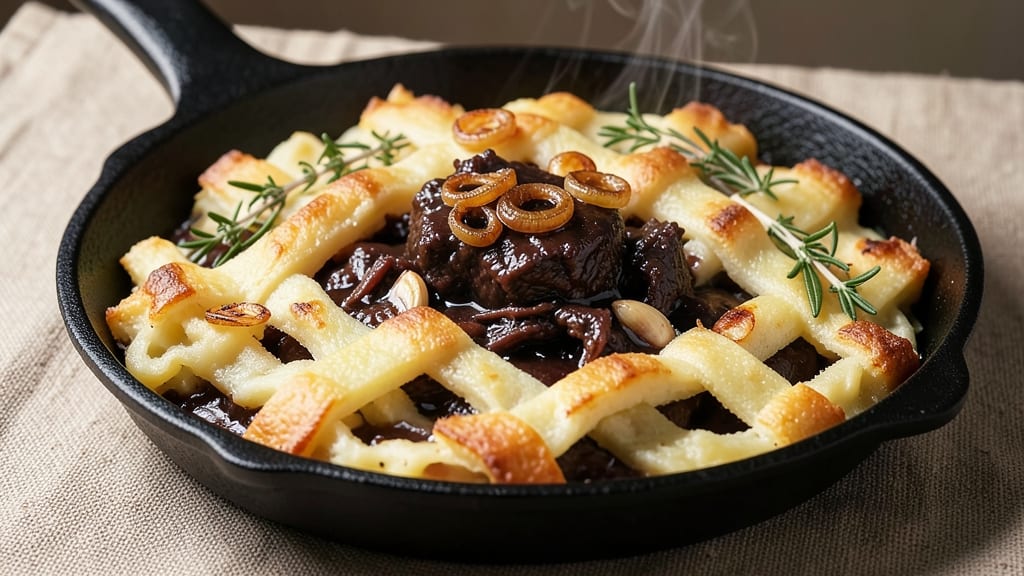
This Irish shepherd's pie with Guinness recipe transforms a classic comfort dish into something deeply flavorful and richly aromatic. The secret lies in the dark, malty depth of Guinness—it doesn’t just flavor the meat, it transforms it into something hearty and complex.
After years of testing variations, I’ve perfected a method that delivers tender, beer-braised meat topped with velvety mashed potatoes that bake into a golden, crispy crown.
The beauty of this dish is in its layers—both literal and flavorful. You start with ground beef or lamb, seared until deeply browned, then deglazed with Guinness to create a rich, savory base.
Onions and garlic mellow into the mix, while thyme and rosemary add earthy warmth. The mashed potatoes, made with butter and cream, become the star when baked until golden and bubbling.
What you end up with is a dish that’s hearty enough for a family dinner but elegant enough for a special occasion. The Guinness infuses the meat with a subtle bitterness that balances the richness, while the mashed potato topping adds a comforting, creamy finish.
Each bite delivers layers of flavor—savory, smoky, and slightly sweet—all held together by that perfect crust.
Serve it with a simple green vegetable or crusty bread to soak up every last bit of that flavorful gravy. This recipe is designed to impress without being fussy, making it ideal for weeknight dinners or holiday gatherings.
Let’s get started on creating a dish that feels like a warm embrace in every bite.
Ingredients for irish shepherd's pie guinness
Sixteen ingredients, two layers of flavor—Guinness-infused beef meets velvety mashed potatoes for a dish that feels like a hug.
| Ingredient | Amount | Notes |
|---|---|---|
| Ground Beef 🥩 | 1 ½ lb | 80/20 fat ratio preferred |
| Guinness Stout 🍺 | 1 cup | Full-bodied, not light |
| Yellow Onion 🧅 | 1 whole | Diced, medium size |
| Garlic Cloves 🧄 | 4 cloves | Minced, fresh preferred |
| Fresh Thyme 🌿 | 1 tbsp | Leaves only, chopped |
| Fresh Rosemary 🌿 | 1 tbsp | Finely chopped |
| Beef Broth 💧 | ½ cup | Low-sodium preferred |
| Russet Potatoes 🥔 | 2 ½ lb | Yukon gold works too |
| Unsalted Butter 🧈 | ½ cup | Cold, cubed |
| Heavy Cream 🥛 | ¼ cup | Full-fat for richness |
| Milk 🥛 | ¼ cup | Whole milk preferred |
| Salt 🧂 | 1 ½ tsp | Kosher or sea salt |
| Ground Black Pepper 🌶️ | ½ tsp | Freshly ground |
| Grated Parmesan Cheese 🧀 | ¼ cup | Freshly grated preferred |
The Guinness is non-negotiable here—Guinness Draught or Extra Stout from the beer aisle delivers the richest maltiness. Local craft breweries often carry Irish stouts too, so check the cooler section. For the beef, 80/20 fat ratio ensures juiciness, and Costco or Walmart typically have pre-ground options at great prices. Fresh thyme and rosemary from the grocery store’s produce section (not dried) bring the most vibrant flavor—Whole Foods or Trader Joe's carry excellent cuts. The potatoes should be firm and free of sprouts; Russets or Yukon Golds work best for that creamy texture.
No Guinness? Substitute with equal parts beef broth and a splash of balsamic vinegar, though the depth won’t be identical. Dried thyme and rosemary work at half the amount, but fresh is ideal. For the mashed potatoes, instant potatoes won’t give the same velvety finish, but they’re a time-saver if you’re in a pinch. The Parmesan adds umami—skip it if you’re avoiding dairy, but it’s worth the extra flavor. If you’re making this ahead, reheat the filling gently before adding the mashed potatoes to avoid a soggy crust.
The mashed potatoes keep for 3 days in the fridge, but the filling reheats beautifully—4-5 days total if stored properly. For make-ahead convenience, assemble the pie, cover tightly, and refrigerate. Bake straight from the fridge, adding 10-15 minutes to the cooking time. The leftovers freeze well for up to 3 months—just thaw overnight in the fridge before reheating. The crust gets crispier the longer it sits, so bake it uncovered for that golden finish.
Why You'll Love This Recipe
- One-Pan Magic: I swear by this dish for lazy nights—just brown the beef, deglaze with Guinness, and let the oven do the rest. No chopping mountains of veggies or fussing with multiple pans.
- Guinness Magic: That stout transforms everything—deep, malty richness cutting through the beef’s richness while the thyme and garlic add warmth. It’s the kind of flavor that makes you slow down and savor every bite.
- Leftover Hero: This reheats like a dream—crispy top, tender filling—so it’s my go-to for meal prep. Pack it for work or freeze portions; it’s just as good the second day (if you can resist eating it all first).
- Budget-Friendly Feast: Ground beef and a pint of Guinness stretch into a hearty meal for four. Honestly, it’s the kind of dish where you’ll wonder why you ever ordered takeout.
Step-by-step instructions for Irish shepherd's pie with Guinness
Here's the method for creating a rich, hearty shepherd's pie with deep Guinness flavor and perfectly creamy mashed potatoes.
Brown the Ground Beef
Heat a large skillet over medium-high heat. Add the 1.5 lb ground beef, breaking it up with a wooden spoon as it cooks. Let it brown undisturbed for 3-4 minutes until the meat releases from the pan and develops a deep brown crust. This step is crucial for building flavor—don't rush it.
Once browned, drain any excess fat but leave about 1 tablespoon in the pan for cooking. Add the diced yellow onion and minced garlic cloves, stirring to combine. Cook for 3-4 minutes until the onions soften and become translucent. This aromatic base forms the flavor foundation of your filling.
Build the Guinness-Braised Filling
Pour in the 1 cup Guinness stout, scraping up any browned bits from the bottom of the pan. These flavorful bits, called fond, add depth to your sauce. Let the mixture simmer for 5 minutes until the alcohol content evaporates and the liquid reduces by half.
Stir in the chopped fresh thyme, chopped fresh rosemary, 0.5 cup beef broth, 1.5 tsp salt, and 0.5 tsp ground black pepper. Bring to a gentle simmer and cook for 10-12 minutes until the sauce thickens slightly. The filling should be moist but not soupy—this ensures your shepherd's pie stays together when baked.
Prepare the Potato Topping
While the filling simmers, peel and cube the 2.5 lb russet potatoes into 1-inch pieces. Place them in a large pot of cold salted water and bring to a boil. Cook for 15-18 minutes until the potatoes are fork-tender, then drain well.
Return the potatoes to the pot and add the 0.5 cup cold unsalted butter, 0.25 cup heavy cream, 0.25 cup milk, and 0.25 cup grated parmesan cheese. Mash until smooth and creamy. For extra richness, I like to press the potatoes through a ricer or potato masher to eliminate lumps. Season with additional salt if needed—this topping should be flavorful but not overpowering.
Assemble and Bake
Preheat your oven to 375°F. Spread the beef mixture evenly in a 9x13-inch baking dish. The filling should be about 1-inch thick when spread out. Smooth the top with a spatula to create an even surface for the potato topping.
Spread the mashed potatoes evenly over the beef mixture, creating a smooth, even layer. Use a fork to create decorative ridges or a wavy pattern for presentation. Bake uncovered for 25-30 minutes until the top is golden brown and the edges are crispy. The filling should be bubbling hot when done.
Rest and Serve
Remove the shepherd's pie from the oven and let it rest for 10 minutes before serving. This resting period allows the filling to set slightly and makes it easier to slice. The internal temperature should reach 160°F when checked with a meat thermometer.
Serve warm with a side of steamed green vegetables or a crisp salad. The combination of rich Guinness-braised beef and creamy mashed potatoes creates a comforting, hearty meal perfect for any occasion. The flavors meld beautifully during the baking process, resulting in a dish that tastes even better the next day when reheated.
Pro Tips For Making Irish Shepherd'S Pie Guinness
- Brown the Beef First: Let that raw ground beef hit the pan until it loses its pink entirely—no rushing. I learned this the hard way: skipping this step means your filling will taste raw and drink up the Guinness like a sponge instead of developing that deep, caramelized flavor. High heat, 5-7 minutes, and don’t stir like you’re flipping pancakes.
- Slice Onions Thin: Use a mandoline or sharp knife to cut those yellow onions into paper-thin slices—this isn’t a charcuterie board. They’ll soften and sweeten into the Guinness faster, and you’ll avoid that sad, chewy onion bite that ruins the whole dish. (Yes, even if you’re impatient like me.)
- Simmer the Guinness Long: After adding the beer, let it bubble away uncovered for 10 minutes—don’t walk away. This isn’t the time to multitask. The alcohol needs to burn off, and the Guinness needs to meld into a rich, velvety sauce. Skimp here, and you’ll end up with a boozy, thin mess instead of a deep, malty base.
- Pre-Cook the Mashed Potatoes: Boil the potatoes until they’re actually fork-tender, then mash them while they’re still hot—no microwaving shortcuts. Cold potatoes won’t crisp up properly on top, and you’ll end up with a sad, gluey lid instead of that golden, crackly crust everyone loves. (Your future self will thank you.)
Essential equipment for perfect results
Skillet Essentials
Start with a heavy-bottomed cast-iron skillet like the Lodge 10.25-inch—it distributes heat evenly and builds a perfect crust on your beef. For browning 1.5 lb ground beef, this skillet handles the job without hot spots.
If cast iron isn’t an option, a stainless steel skillet (like All-Clad Stainless) works well, but monitor heat closely to avoid burning.
For deglazing with Guinness, I recommend a medium-sized Dutch oven (like Le Creuset 5.5-quart) if your skillet is too shallow. The extra depth helps prevent spills when adding the beer.
A wooden spoon is essential for stirring—it won’t scratch your pan or react with the acidity in the Guinness.
Baking Dish
Use a 9x13-inch baking dish with a 2-inch depth—this ensures your filling stays contained while the mashed potatoes bake to a golden crust. I prefer ceramic or glass dishes (like Pyrex) because they distribute heat evenly and make it easy to check doneness.
Avoid dark-colored metal dishes—they can overbrown the top before the filling is fully heated.
For extra crispiness, I line the dish with parchment paper cut to fit, then remove it before baking. This prevents sticking and makes cleanup effortless. If you’re short on time, a lightly greased dish with 1 tablespoon olive oil works, but parchment is my go-to for foolproof results.
Mashing Tools
A potato ricer (like the OXO Good Grips) is my secret weapon for ultra-smooth mashed potatoes—it eliminates lumps and gives you that restaurant-quality texture. If you don’t own one, a potato masher or even a fork works, but you’ll need to press extra hard to break up the starches.
For large batches, a stand mixer with the paddle attachment (on low speed) saves time and effort.
Don’t skip the fine-mesh sieve for straining excess liquid after mashing. This step ensures your potato topping is silky and not watery. I also keep a small ladle handy to spread the mashed potatoes evenly—this creates a smooth, crackly crust when baked.
Measuring & Mixing
A digital kitchen scale (like the OXO Good Grips) ensures precision when measuring ingredients like butter and potatoes. For liquids, I use a liquid-measuring cup with spouts for the Guinness, heavy cream, and milk—this prevents spills and ensures accurate measurements.
A microplane is perfect for grating fresh Parmesan, while a sharp chef’s knife (like Wüsthof) handles the onions and garlic efficiently.
For stirring the filling, a long-handled spoon (like OXO Good Grips) keeps your hand away from the heat. A fine-mesh strainer helps remove any herb stems from the thyme and rosemary before adding them to the beef. These small tools make a big difference in flavor and texture!
Nutrition facts
Frequently asked questions
Can I substitute Guinness with another beer?
The deep maltiness of Guinness is key to this recipe, but you can use a full-bodied dark ale or stout in a pinch. Avoid light lagers—they lack the roasted notes that balance the richness. For a non-alcoholic version, mix ½ cup beef broth with 1 teaspoon molasses or 1 tablespoon balsamic vinegar to mimic the Guinness depth.
Why does my potato topping turn soggy?
Soggy tops usually mean the filling was too wet or the potatoes weren’t drained well. Always press excess liquid from cooked potatoes using a clean kitchen towel, and ensure your filling is moist but not saucy before baking. For extra insurance, spread a thin layer of apricot jam between the filling and potatoes—it creates a barrier that keeps things crisp.
How do I make this ahead of time?
Assemble the pie up to 24 hours ahead and refrigerate uncovered. Bake straight from the fridge, adding 10-15 extra minutes to the cooking time. For freezing, bake the pie fully, cool completely, then wrap tightly in foil and freeze for up to 3 months. Thaw overnight in the fridge before reheating—never microwave from frozen.
Can I use lamb instead of beef?
Lamb adds a gamey richness that pairs beautifully with Guinness. Use the same amount (1.5 lb) and brown it thoroughly for deeper flavor. For extra authenticity, add ½ teaspoon ground allspice to the filling—it complements lamb perfectly and enhances the Irish flavors.
What’s the best way to reheat leftovers?
For the crispiest results, cover the pie loosely with foil and reheat at 350°F for 15-20 minutes. Avoid microwaving—it turns the potatoes rubbery. If you prefer a quick fix, slice and warm pieces in a skillet with 1 tablespoon butter over medium heat for 3-4 minutes until heated through.