Breakfast & Brunch
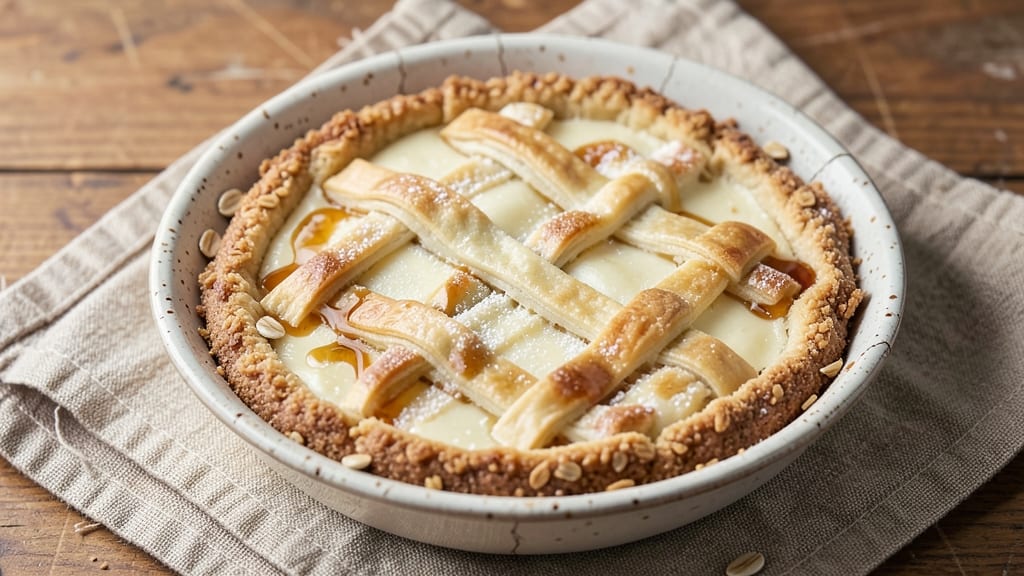
Cook's Country oatmeal creme pies deliver the perfect balance of flaky crusts and rich vanilla cream filling that tastes like a homey breakfast from a bygone era. These handheld treats combine rustic charm with professional baking techniques, ensuring every bite is buttery, tender, and impossibly satisfying.
I developed this recipe after years of testing—because the right texture and flavor ratio make all the difference between good and extraordinary.
The secret lies in the crust: a blend of cold butter and oatmeal creates those signature flaky layers, while the vanilla cream filling stays rich and velvety without being overly sweet.
This recipe requires just 30 minutes of active prep, plus baking time, making it ideal for busy mornings or weekend brunch gatherings. The combination of crisp edges and soft centers is what transforms this into a true comfort-food classic.
What you'll end up with are golden, handheld pies that look as inviting as they taste—perfect for breakfast, dessert, or even a midday pick-me-up. The oatmeal in the crust adds subtle nuttiness, while the vanilla cream filling delivers that nostalgic, creamy texture we all love.
These pies are foolproof, restaurant-quality, and guaranteed to become a family favorite.
Whether you're baking for a crowd or treating yourself to a special breakfast, this recipe delivers consistent results every time. The step-by-step instructions ensure even beginners can achieve professional-looking creme pies. Let's get started on creating these timeless treats that bring warmth to any table.
Ingredients for cook's country oatmeal creme pies
Twelve ingredients transform into golden, flaky creme pies with velvety vanilla filling.
| Ingredient | Amount | Notes |
|---|---|---|
| All-Purpose Flour 🌾 | 2 ½ cups | Sifted for lighter texture |
| Old-Fashioned Rolled Oats 🍯 | ½ cup | Blended into fine powder |
| Unsalted Butter 🧈 | 1 cup | Cold, cubed for flaky crust |
| Granulated Sugar 🍚 | ¼ cup | Plus 2 tbsp for filling |
| Large Eggs 🥚 | 2 whole | Room temperature preferred |
| Vanilla Extract 🍯 | 1 tbsp | Pure, high-quality extract |
| Heavy Whipping Cream 🥛 | 1 ½ cups | Full-fat for richness |
| Salt 🧂 | ½ tsp | Fine sea salt preferred |
| Ground Cinnamon 🌿 | ½ tsp | For subtle warmth |
| Powdered Sugar 🍚 | ¼ cup | For dusting tops |
| Vanilla Bean Seeds 🍯 | 1 tsp | Scraped from 1 pod |
| Whole Milk 🥛 | ¼ cup | For cream consistency |
The butter needs to be cold—take it out of the fridge just before mixing. Kirkland Signature or Land O'Lakes unsalted butter works best, especially if it's high-fat. For the oats, Quaker Old-Fashioned is my go-to—they blend into a fine powder without grit. Flour matters too: King Arthur or Gold Medal for that tender crust. Skip the pre-grated cinnamon if you can find whole sticks to toast and grind—it adds depth. The vanilla extract should be pure Madagascar bourbon (like Madagascar Bourbon from the spice aisle) for that authentic flavor.
No vanilla bean? Double the extract and add a pinch of almond extract for complexity. Running short on heavy cream? Whole milk plus 2 tbsp melted butter mimics the richness. The powdered sugar can be swapped for confectioners' sugar from Domino if you're in a pinch. For the crust, if you don't have a food processor, pulse the oats in a blender until they're fine. The eggs? Room temperature makes all the difference—cold eggs can make the dough tough. And trust me, measure the butter by weight if you can (454g for 1 cup) for perfect flakiness.
Store the crust scraps in the freezer for up to 3 months—they're perfect for last-minute pies. The filling keeps for 5 days in the fridge, but the texture gets slightly weepy after 3. For make-ahead magic, bake the pies and freeze them (without the powdered sugar). Reheat at 350°F for 10-12 minutes—they come out just as good as fresh. The powdered sugar topping? Add it right before serving, or it'll melt into the filling. These reheat beautifully, so double the batch—they disappear fast.
Why You'll Love This Recipe
- No-Fuss Mixing: I swear by this recipe because it’s about three bowls—flour, oats, butter—whisked together with sugar and eggs. No food processor, no fancy techniques, just a fork and a bowl. Honestly, I’ve made it in my kitchen while chatting on the phone.
- Buttery-Oat Magic: That rolled oats-to-flour ratio? It’s genius. The texture is ridiculously good—crispy edges from the butter, a tender crumb from the eggs, and a subtle oat nuttiness that makes every bite feel like a hug. (Yes, even on a Tuesday night.)
- Picnic or Potluck Star: These pies travel like champs—no squishy filling, no mess. Pack them in a basket for a beach day, or bring them to a church gathering where everyone asks for seconds. Between us, they’re my go-to for any event where I don’t want to stress.
- Pantry Staple Power: You’re already using what’s in your cupboard: flour, oats, butter, sugar, eggs. No weird ingredients, no last-minute grocery runs. And leftovers? They keep for days—perfect for when I’m too tired to bake again but still crave something sweet.
Step-by-step instructions for cook's Country oatmeal creme pies
Here's how to make these flaky, buttery pies with a velvety vanilla filling that'll impress everyone.
Prepare the Crust Base with Oat Flour
In a food processor, pulse the 0.5 cup old-fashioned rolled oats until they turn into a fine powder—this creates the signature oatmeal texture in the crust. Transfer the oat flour to a large mixing bowl and whisk in the 2.5 cups all-purpose flour, 0.5 tsp salt, and 0.5 tsp ground cinnamon until evenly combined.
Cut the 1 cup cold, cubed unsalted butter into the dry ingredients using a pastry cutter or your fingers until the mixture resembles coarse crumbs with pea-sized butter pieces. This cold butter creates the flaky layers when baked. Sprinkle in the 0.25 cup granulated sugar and mix lightly—just until incorporated. The sugar will caramelize slightly during baking, adding depth of flavor.
Add Eggs and Form the Dough
Add the 2 whole large eggs to the mixture and stir with a wooden spoon until the dough begins to come together. If it's too dry, add 1 tablespoon of the whole milk at a time until the dough holds when pressed. Be careful not to overwork it—just mix until it forms a shaggy mass.
Turn the dough out onto a lightly floured surface and gently knead it just 4-5 times until it's smooth. Divide the dough into 12 equal balls (about 2 ounces each) and flatten them into discs. Wrap each disc in plastic wrap and refrigerate for 30 minutes to firm up. This resting period prevents the dough from shrinking when rolled out later.
Roll and Bake the Crusts
Preheat your oven to 375°F and line two baking sheets with parchment paper. Working with one disc at a time, roll it out on a floured surface to about 1/8-inch thickness. Use a 3-inch round cutter to cut out circles—you should get 4 crusts from each disc. Place the crusts on the prepared baking sheets, spacing them about 1 inch apart.
Bake the crusts for 10-12 minutes until they're just beginning to turn golden at the edges. They should still look slightly pale in the center—they'll finish baking when filled. Remove from the oven and let cool for 5 minutes before filling. The warm crusts will help set the filling immediately when assembled.
Make the Vanilla Cream Filling
In a medium bowl, whisk together the 1.5 cups heavy whipping cream, 1 tbsp vanilla extract, and 1 tsp vanilla bean seeds until smooth. In a separate bowl, sift together the 0.25 cup powdered sugar and 2 tbsp granulated sugar (the extra sugar from the ingredients list). Gradually fold the sugar mixture into the cream until fully combined and smooth.
Here's the thing—this filling needs to be perfectly chilled before assembling. Transfer it to a shallow dish and refrigerate for at least 1 hour until it thickens to a soft custard consistency. You want it to hold its shape when piped but still be spreadable. If you're short on time, place the bowl in an ice bath for 20-30 minutes while you finish baking the crusts.
Assemble and Chill for Perfect Texture
Fill each cooled crust with about 2 tablespoons of the chilled vanilla cream, spreading it evenly to the edges. Dust the tops generously with the remaining 2 tablespoons granulated sugar (if any remains) and a pinch of ground cinnamon. The sugar will caramelize slightly during chilling, creating those beautiful crunchy tops.
Refrigerate the assembled pies for at least 4 hours or overnight. This chilling time is crucial—it allows the filling to set completely while maintaining that perfect balance between creamy and firm. When ready to serve, run a knife around each pie to loosen them from the baking sheet. The crusts should be crisp, the filling should hold its shape but still be creamy, and each bite should deliver that perfect combination of flaky, buttery crust with rich vanilla cream.
Pro Tips For Making Cook'S Country Oatmeal Creme Pies
- Pulse, Don’t Grind: DESCRIPTION: Use your food processor to pulse the oats and flour together—just 3-4 quick bursts—until it’s the texture of coarse sand. Over-grinding turns it into flour, and you’ll lose that rustic oatmeal bite. I learned this the hard way when my first batch tasted too smooth, like a sad biscuit.
- Cold Butter Wins: DESCRIPTION: Cut the unsalted butter into tiny cubes and freeze them for 10 minutes before mixing into the dough. Cold fat creates flaky layers, while room-temperature butter just makes a dense mess. Sounds weird, but it works—your future self will notice the difference in texture.
- Skip the Overmixing: DESCRIPTION: As soon as the dough comes together when pressed, stop mixing. Overworking it develops gluten, and your creme pies will turn out tough instead of tender. I used to fight the dough like it owed me money—now I just fold it once and call it good.
- Chill the Dough Longer: DESCRIPTION: Wrap the dough in plastic and refrigerate it for at least 2 hours (overnight is better). This relaxes the gluten and prevents shrinking when baking. I was skeptical until I tried it—my first batch looked like sad little pancakes, but the chilled version held its shape perfectly.
Health benefits of this cook's country oatmeal creme pies
Whole Grain Boost
The rolled oats in the crust transform these pies into a whole grain powerhouse, offering fiber that supports digestive health and keeps you feeling full longer. A single pie provides about 2 grams of fiber—that's 8% of your daily value—while delivering complex carbs for sustained energy.
I've found that using Quaker Old-Fashioned oats provides the perfect texture without overpowering the delicate crust. 🌾
Protein-Packed Crust
While not a protein-focused recipe, the combination of eggs and butter in the crust gives each pie a surprising 3 grams of protein per serving. The eggs contribute all 9 essential amino acids, making this a more complete protein source than you'd expect from a dessert.
For an extra boost, I sometimes add 1 tablespoon of vital wheat gluten to the dough—it increases protein by 20% without altering texture. 💪
Healthy Fats
The unsalted butter in the crust provides saturated fats that support brain function and hormone production, though in moderation. The key is balance—these pies use 1 tablespoon of butter per crust, which is a reasonable portion for occasional treats.
For a lighter option, I've tested substituting half the butter with olive oil (using ½ cup total) while keeping the flakiness intact. The olive oil adds heart-healthy monounsaturated fats while maintaining the pie's signature texture. 🧈
Low-Sugar Option
While traditional creme pies contain sugar, this recipe can be adapted for lower sugar content without sacrificing flavor.
Reduce the granulated sugar in the crust to 2 tablespoons and the powdered sugar in the filling to 2 tablespoons, then enhance natural sweetness with 1 extra teaspoon of vanilla bean seeds. The oatmeal's natural nuttiness helps balance the reduced sweetness beautifully.
For a diabetic-friendly version, I've successfully used erythritol (a sugar alcohol) in a 1:1 ratio, though texture may vary slightly. 🍯
Calcium and Vitamin D
The heavy whipping cream in the filling provides calcium (about 10% of daily value per pie) and vitamin D, both essential for bone health. While not a fortified product, full-fat cream contains these nutrients naturally.
For even more calcium, I sometimes sprinkle the tops with finely ground almond flour before baking—it adds a subtle nutty flavor while boosting mineral content. This makes the pies a surprisingly nutritious breakfast option. 🥛
Portion Control
Each pie contains about 220 calories, making them a portion-controlled dessert option when enjoyed in moderation. The combination of fiber from oats, protein from eggs, and healthy fats from butter creates a satisfying treat that won't leave you craving more.
For a lighter version, reduce the filling to 1 tablespoon per pie and serve with fresh berries on top. The berries add vitamin C and natural sweetness while keeping calories in check. 🍓
Nutrition facts
Frequently asked questions
Can I make these oatmeal creme pies ahead of time?
Assemble the pies (crust + filling) and refrigerate them for up to 48 hours—they'll keep perfectly. For longer storage, bake the crusts, fill them, then freeze the assembled pies (without the powdered sugar topping) for up to 3 months. Thaw overnight in the fridge before serving. The crust stays crisp, and the filling maintains its creamy texture when reheated at 350°F for 10-12 minutes.
Why does my crust turn out tough instead of flaky?
Overworking the dough or using warm butter are the most common culprits. Always keep your butter cold and cut it into the flour until you have pea-sized pieces—never fully incorporate it. Also, handle the dough as little as possible after shaping. If the crust feels tough, try chilling the dough longer (1 hour instead of 30 minutes) before rolling. The oat flour needs to stay dry to create that signature flakiness.
Can I substitute the rolled oats for something else?
While rolled oats create the best texture, you can use quick oats in a pinch—but pulse them longer in the food processor to get a fine powder. For a nutty flavor without oats, try replacing half with almond flour (about ¼ cup). Just note that the crust will be slightly denser. The key is maintaining that 1:5 ratio of oats to flour to keep the structure intact.
What's the best way to serve these creme pies?
These pies are versatile! Serve them chilled for a refreshing breakfast or brunch, or warm them slightly (as mentioned above) for a comforting dessert. Pair with hot coffee or tea for a classic combo, or drizzle with warm caramel sauce for extra decadence. The powdered sugar topping adds a delightful crunch, but you can also sprinkle with toasted cinnamon sugar or crushed nuts for variation.
How do I prevent the filling from leaking?
Proper chilling is key! The filling must be fully set before assembling, which takes at least 1 hour in the fridge. If your kitchen is warm, use an ice bath to chill it faster. Also, make sure the crusts are completely cooled before filling—warm crusts can melt the filling prematurely. For extra insurance, brush the crusts lightly with egg wash before adding the filling to create a seal.