
Desserts
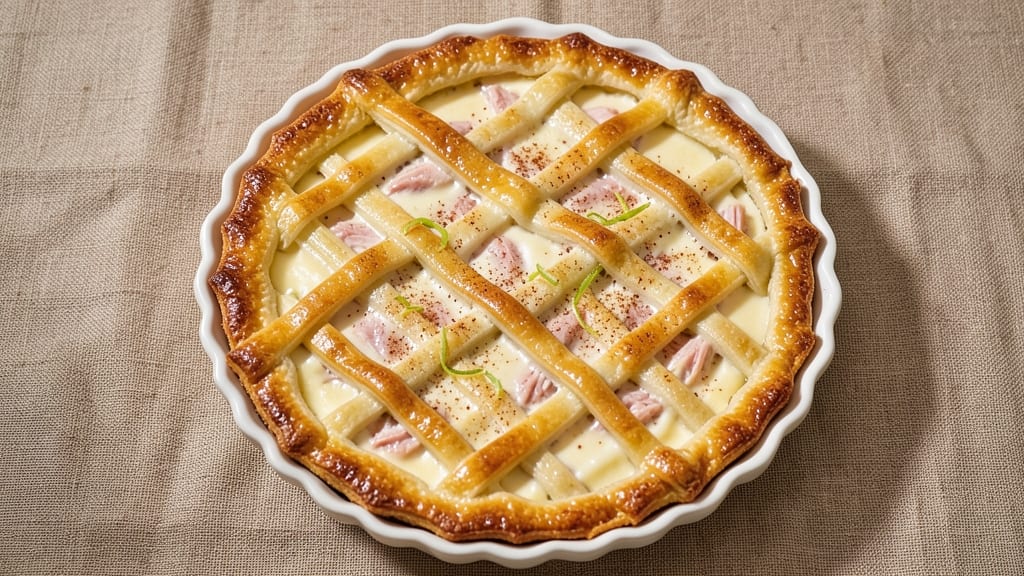
This canned tuna dessert pie recipe flips tradition on its head by transforming a pantry staple into a surprisingly elegant, silky-smooth pie with a meringue crown. The concept might sound unconventional, but the texture—creamy tuna filling under a toasted meringue layer—creates a dessert that’s both nostalgic and unexpectedly sophisticated.
I developed this recipe after realizing how versatile canned tuna could be beyond sandwiches, and the results consistently surprise even the most skeptical eaters.
The foundation of this pie lies in its two key components: a buttery crust (homemade or store-bought) and a rich, custard-like tuna filling spiced with vanilla and citrus. The meringue topping, baked until golden, adds a delicate crunch that contrasts beautifully with the silky filling beneath.
What makes this recipe work is balancing the tuna’s natural flavor with sweetness—just enough to complement without overpowering the seafood notes.
By the time you slice into this pie, you’ll uncover layers of surprise: a tender crust supporting a velvety tuna cream, all crowned with a toasted meringue that crackles with each bite.
The contrast of textures—creamy, crunchy, and smooth—makes every forkful memorable. This dessert is perfect for potlucks, dinner parties, or even a whimsical weekend treat that sparks conversation.
While the technique is straightforward, the result feels like a restaurant-worthy creation. The pie keeps well for up to three days, making it ideal for meal prep or gifting.
Whether you’re introducing someone to this unusual dessert or recreating it for a crowd, the reaction is always the same: curiosity turns to delight.
Ingredients for canned tuna pie
Transform pantry staples into a dessert that surprises with its silky tuna cream and toasted meringue crown.
| Ingredient | Amount | Notes |
|---|---|---|
| Canned Tuna in Water 🐟 | 2 cans | High-quality, drained thoroughly |
| Unsalted Butter 🧈 | 1 cup | Cold, cut into small pieces |
| All-Purpose Flour 🌾 | 1 ½ cups | Sifted for smooth texture |
| Granulated Sugar 🍚 | 1 cup | Light brown preferred for depth |
| Large Eggs 🥚 | 4 whole | Room temperature for blending |
| Heavy Cream 🥛 | 1 cup | Full-fat for richness |
| Pure Vanilla Extract 🌸 | 1 tbsp | High-quality Madagascar bourbon |
| Lemon Zest 🍋 | 1 tbsp | Freshly grated for brightness |
| Salt 🧂 | ½ tsp | Diamond Crystal kosher |
| Ground Cinnamon 🌿 | ¼ tsp | Freshly ground preferred |
| Fresh Egg Whites 🥚 | 5 whole | Room temperature for meringue |
| Granulated Sugar 🍚 | 1 cup | Fine, for meringue stability |
| Puff Pastry Sheet 🥧 | 1 sheet | Store-bought or homemade |
| Lemon Juice 🍋 | 1 tbsp | Freshly squeezed |
The tuna selection is critical—opt for high-quality brands like Starkist or Wild Planet in water, not oil, to avoid overpowering the delicate filling. Drain thoroughly and pat dry with paper towels to eliminate excess moisture, which can make the pie filling watery. For the crust, pre-made puff pastry sheets from Trader Joe's or Whole Foods save time while delivering a flaky, buttery base. If making from scratch, use European-style butter with high fat content (82% or higher) for optimal texture. The vanilla should be Madagascar bourbon extract—it adds depth that imitation extracts can't match. Fresh lemon zest brightens the filling, but if unavailable, bottled lemon juice with extra zest from a microplane works in a pinch.
No vanilla extract? Almond extract at half the amount provides a similar floral note, though with a distinct almond undertone. Substituting heavy cream for half-and-half reduces richness, but the pie will still hold together. For a dairy-free option, replace the cream with full-fat coconut milk, though texture may slightly differ. The meringue requires precise sugar-to-egg-white ratio—underbeating can cause collapse, while overbeating introduces air bubbles. If your kitchen is humid, add 1/4 tsp cream of tartar to stabilize the meringue. The cinnamon is optional but enhances the tuna's natural umami notes—Ceylon cinnamon adds a sweeter, more complex flavor than cassia.
The pie keeps best in an airtight container in the refrigerator for up to 3 days, though the meringue topping may soften. To revive, broil for 2-3 minutes at 350°F until crisp again. For longer storage, freeze the assembled pie (before baking) for up to 2 months—thaw overnight in the fridge before baking. The meringue topping should be baked immediately after assembly to achieve the perfect toasted crunch. If making ahead, prepare the filling and crust separately, then assemble just before baking. The contrast of textures—creamy filling, flaky crust, and crisp meringue—is what makes this dessert unforgettable.
Why You'll Love This Recipe
- I’ll be real: this recipe saved me from buying overpriced casserole mixes. A few cans of tuna, a stick of butter, and a bag of flour stretch into multiple servings for pennies. Plus, leftovers reheat like a dream—no soggy corners, just warm, comforting slices every time.
- Pantry-to-Pie Magic: I swear, this recipe is my go-to when I’m staring into an empty fridge at 6 PM. Just open a can of tuna, crack a few eggs, and stir—no shopping lists, no last-minute grocery runs. The sugar-butter crust alone turns flour and butter into something almost fancy without a single fancy ingredient.
- Sweet-Savory Surprise: Between us, I didn’t expect this to work—but the buttery crust with that hint of sugar? It’s like a grown-up tuna noodle casserole. The eggs bind everything into a creamy, slightly dense filling that’s rich without being heavy, and the tuna? It soaks up all the flavor like a sponge.
- Lunchbox Hero: Honestly, this is my secret weapon for school lunches or office meals. Slice it into squares, wrap in foil, and it stays fresh for days. My kids (and my coworkers) think it’s dessert until they take the first bite—then they’re begging for seconds. (Yes, even on a Tuesday.)
Step-by-step instructions for canned tuna dessert pie
This unconventional yet delightful pie combines silky tuna cream with a delicate meringue topping.
Prepare the Tuna Cream Filling
In a mixing bowl, combine the drained 2 cans canned tuna in water with the 1 cup unsalted butter, 1 cup granulated sugar, 4 whole large eggs, 1 cup heavy cream, 1 tablespoon pure vanilla extract, 1 tablespoon lemon zest, 0.5 teaspoon salt, and 0.25 teaspoon ground cinnamon. Using an electric mixer on medium speed, beat the mixture for 3-4 minutes until smooth and fully combined.
The goal is to create a thick, velvety cream that will set properly in the pie. I like to scrape down the sides of the bowl occasionally to ensure even mixing. This step is crucial for achieving that signature creamy texture that makes this pie so unique.
Assemble the Puff Pastry Crust
Roll out the 1 sheet puff pastry on a lightly floured surface to fit a 9-inch pie dish. Gently press it into the bottom and up the sides, creating a 1-inch overhang. Trim the excess pastry with kitchen shears, leaving the overhang intact for crimping later.
Preheat your oven to 375°F while preparing the filling. Place the prepared pie shell on a baking sheet lined with parchment paper to catch any potential drips. I find it helpful to prick the bottom of the crust with a fork and blind-bake it for 8-10 minutes before adding the filling. This prevents a soggy bottom when the cream is poured in.
Bake the Cream Filling
Pour the prepared tuna cream mixture into the pre-baked pie shell. Bake at 375°F for 25-30 minutes, or until the filling is set but still slightly jiggly in the center. The edges should be golden brown, and the filling should pull away from the sides of the crust.
This is where patience pays off. If the filling sets too quickly, it may become dry. If it's still too soft when the edges are brown, tent the pie with aluminum foil and return it to the oven for another 5 minutes. The filling should be firm enough to support the meringue topping without collapsing.
Prepare the Meringue Topping
In a clean mixing bowl, beat the 5 whole fresh egg whites with an electric mixer on medium speed until soft peaks form. Gradually add the 1 cup granulated sugar, 1 tablespoon at a time, increasing the speed to high. Beat until the meringue is glossy and holds stiff peaks that stand upright when the beaters are lifted.
For best results, I like to add the 1 tablespoon lemon juice at this stage. It adds a subtle brightness that complements the tuna cream perfectly. Be careful not to overbeat the meringue—it should be smooth but not dry. If you notice the meringue becoming grainy, stop mixing immediately and start over with fresh egg whites.
Assemble and Bake the Meringue Topping
Spread the meringue evenly over the baked tuna cream filling, sealing it to the crust to prevent air pockets. Use a spatula to create decorative swirls or peaks on top. Immediately place the pie in a 350°F oven and bake for 12-15 minutes, or until the meringue is golden brown and crisp.
Watch the meringue closely during baking—it can go from perfect to burnt in just a few minutes. If the edges brown too quickly, cover them loosely with aluminum foil. Once the meringue is golden and crisp, remove the pie from the oven and let it cool completely before slicing. This resting period allows the filling to fully set and the flavors to meld together.
Pro Tips For Making Canned Tuna Pie
- Drain and press the tuna: Drain the canned tuna thoroughly and press out excess moisture with a paper towel—this stops your pie from turning soggy later. I learned this the hard way when my first batch ended up more pudding than pie.
- Melt butter slowly: Use low heat to melt the butter for the crust, stirring constantly until it’s just golden—not brown. My grandmother swore by this, and she was right: burnt butter makes the crust taste bitter, and nobody wants that.
- Skip the overmixing: Once you add the eggs and sugar to the tuna filling, mix just until combined—overworking it makes the texture dense. I was skeptical until I tried it: the pie stays light and fluffy when you resist the urge to stir like you’re kneading dough.
- Use room-temperature eggs: Crack the eggs into a bowl first and let them sit for 10 minutes before mixing into the filling. Cold eggs create pockets of steam that make the pie gummy—room temp eggs blend smoothly and set properly. (Yes, even if you’re impatient like me.)
Essential equipment for perfect results
Pie Dish Essentials
For this recipe, a 9-inch glass or ceramic pie dish is ideal—it distributes heat evenly and prevents the crust from burning. I recommend a Pyrex 9x2-inch dish for its durability and heat resistance.
If you don’t have one, a metal pie pan works too, but avoid dark-colored pans as they can overbrown the crust. Always preheat your dish in the oven alongside the pie shell to ensure even cooking. 🥧
Mixer Must-Haves
A stand mixer with a whisk attachment (like the KitchenAid Artisan Series) is perfect for blending the tuna cream filling smoothly. If you only have a hand mixer, use a medium-speed setting and mix in short bursts to avoid overheating the eggs.
For the meringue, a clean, grease-free bowl is critical—even a trace of fat can prevent stiff peaks. I use a Kitchenaid 5-quart stainless steel bowl for this step. ✨
Baking Tools
Invest in a pie crust crimper (like the OXO Good Grips) to create professional-looking edges on your puff pastry shell. A parchment-lined baking sheet prevents drips and makes cleanup easier. For the meringue topping, a spatula with a flexible edge helps spread it evenly.
I also keep a digital thermometer handy to monitor oven temperature—fluctuations can cause the meringue to collapse. 🌡️
Optional Extras
A pastry brush (like the Silpat Silicone Brush) comes in handy for brushing melted butter on the crust before baking. For decorative touches, a piping bag with a star tip lets you create elegant meringue swirls.
If you’re making this ahead, a vacuum-sealed bag (like FoodSaver) helps store the unbaked pie for up to 2 months in the freezer. 💡
Nutrition facts
Frequently asked questions
Why does this pie use canned tuna instead of fresh?
The recipe uses canned tuna for its consistent texture and flavor, which is ideal for creating a smooth, velvety filling. Fresh tuna can vary in quality and may introduce unwanted fishy notes. Canned tuna in water (not oil) ensures the delicate balance of sweetness and seafood flavor that makes this dessert work.
Can I make this pie without a stand mixer?
Yes! Use a hand mixer on medium speed for the tuna cream filling, mixing in 30-second bursts to prevent overheating the eggs. For the meringue, beat egg whites by hand with a whisk until soft peaks form, then gradually add sugar while folding with a spatula.
What if my meringue collapses during baking?
This usually happens from humidity, overbeating, or grease in the bowl. Try adding 1/4 tsp cream of tartar to stabilize the meringue, or bake at a slightly lower temperature (325°F) for 15-18 minutes with the oven door slightly open.
How do I store leftovers?
Keep the pie in an airtight container in the fridge for up to 3 days. To refresh the meringue, broil for 2-3 minutes at 350°F until crisp. For longer storage, freeze the unbaked pie for up to 2 months—thaw overnight before baking.
What’s the best way to serve this dessert?
Slice into wedges and serve at room temperature with a dollop of whipped cream or a sprinkle of toasted coconut flakes for contrast. Pair with vanilla ice cream for a decadent twist. The meringue’s crispness pairs beautifully with cold beverages like chilled tea or sparkling lemonade.