
Desserts
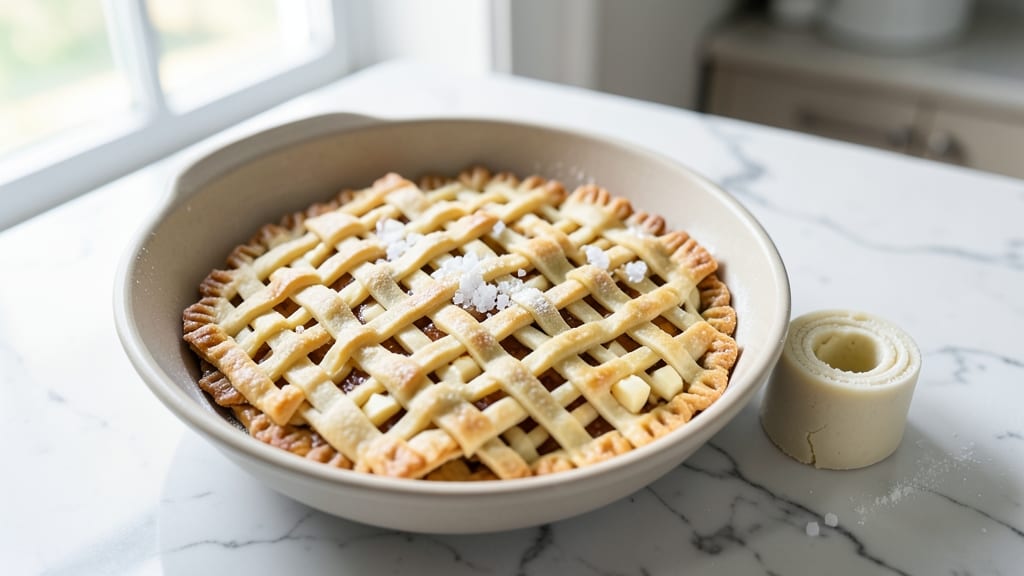
Betty Crocker's double pie crust recipe delivers that iconic two-layered flake that holds up perfectly to any filling—whether it's apple, pumpkin, or berry. This is the classic method that bakers trust for restaurant-quality results at home, with a crisp, golden crust that stays sturdy even after baking.
The secret lies in precise technique: cold butter cut into flour, minimal handling, and proper rolling to maintain those delicate layers.
What sets this recipe apart is Betty Crocker's signature approach to pie crust—flaky, tender, and foolproof. You'll work with two separate crusts, one for the bottom and one for the top, ensuring that signature flakiness in every bite.
The dough comes together quickly with simple ingredients, but the real magic happens in the rolling and layering process, where patience pays off in that perfect texture. This isn't just a crust; it's the foundation of a showstopping pie.
By the time you're done, you'll have a pie with a crisp, golden crust that holds its shape and a tender interior that melts in your mouth.
The double crust creates a beautiful presentation, whether you leave the top open for a lattice effect or seal it completely for a rustic look. This is the kind of pie that impresses guests and becomes a family favorite—every slice is worth the effort.
The best part? This recipe scales perfectly for any occasion, from holiday gatherings to weeknight desserts. Once you master Betty Crocker's double crust method, you'll never settle for anything less. Let's get started on creating that perfect pie crust.
Ingredients for betty crocker double pie crust
Nine simple ingredients. Two perfect crusts. The secret to Betty Crocker's legendary flake starts here.
| Ingredient | Amount | Notes |
|---|---|---|
| All-Purpose Flour 🌾 | 4 cups | Sifted for best texture |
| Unsalted Butter 🧈 | 1 cup | Cold, cubed, not softened |
| Ice Water 💧 | ½ cup | Very cold from freezer |
| Table Salt 🧂 | 1 tsp | Kosher or sea salt |
| Granulated Sugar 🍚 | 1 tbsp | For golden crust color |
| Vanilla Extract 🌸 | 1 tsp | Pure vanilla for flavor |
| Large Egg 🥚 | 1 whole | For egg wash |
| Milk 🥛 | 1 tbsp | For egg wash |
| Coarse Sugar 🍚 | 1 tbsp | For sprinkling on top |
| Pie Weights or Dried Beans 🥫 | 1 cup | For blind baking |
| All-Purpose Flour (extra) 🌾 | ½ cup | For dusting rolling pin |
The butter is non-negotiable—use unsalted sticks from the freezer (yes, straight from the freezer). Land O'Lakes or Plugrá are my go-tos, but any brand works if it's cold. Cut it into 1/2-inch cubes—smaller pieces mean more surface area for flakiness. The flour? King Arthur or Gold Medal are my favorites, but any all-purpose will do. Sift it first—clumps kill flakiness. Pro tip: chill your rolling pin too (stick it in the freezer for 10 minutes).
No pie weights? Dried beans or rice work perfectly—just spread them evenly. Short on vanilla? Vanilla bean paste at half the amount adds depth. The egg wash is your golden ticket—beat the egg with milk first, then brush it on. For extra shine, add a pinch of salt. Rolling out the dough? Keep it thick (about 1/4-inch)—thinner crusts burn faster. And if your dough cracks? Don’t panic—just patch it up with extra flour.
This dough keeps for 3 days wrapped in plastic in the fridge, or 6 months frozen between parchment paper. For blind baking, preheat your oven to 375°F—the crust needs to be fully baked before adding filling. Leftovers? Roll them into balls, freeze, and bake fresh when needed. Trust me, nothing beats fresh crust—worth the extra effort.
Why You'll Love This Recipe
- No-Fuss Assembly: I swear, this crust comes together faster than I can say "preheat oven." Just toss the flour, cold butter, sugar, and salt in a food processor—pulse—add ice water, and boom. No rolling pins required if you don’t want to fuss.
- Buttery Crisp Magic: That cold butter cutting into the flour? It’s the secret. The crust gets flaky layers so good, you’ll want to eat it plain (I won’t judge). The sugar just adds a subtle caramel note that makes everything taste like a bakery’s secret.
- Double Duty Crust: One batch, two pies—or one pie with a lattice top. Serve it for Thanksgiving, a potluck, or even a lazy Sunday breakfast with jam and cream. Honestly, I’ve used it for quiche, pot pies, and even a savory tart. It’s my crust for every occasion.
- Pantry Staple Power: You already have the ingredients. No specialty items, no last-minute grocery runs. The butter and flour are probably in your cupboard, and the ice water trick? Always works. It’s the kind of recipe that makes me feel like I’m winning at baking.
Step-by-step instructions for Betty Crocker's double pie crust recipe
This classic double crust delivers that legendary flaky, golden-brown texture that holds up perfectly to any filling.
Make the Pie Dough
In a large bowl, combine the 4 cups all-purpose flour and 1 tsp table salt. Whisk together until evenly distributed. Cut in the 1 cup cold, cubed unsalted butter using a pastry cutter or your fingers until the mixture resembles coarse crumbs with pea-sized butter pieces. This cold butter is key—it creates those beautiful flaky layers when baked.
Add the 1 tbsp granulated sugar and 1 tsp vanilla extract to the flour mixture. Stir gently to combine. Slowly pour in the 0.5 cup ice water, 1 tablespoon at a time, mixing just until the dough comes together. Avoid overmixing—this develops gluten and makes the crust tough. Once combined, turn the dough out onto a lightly floured surface and divide it into two equal portions.
Shape and Chill the Dough
On a surface dusted with the 0.5 cup extra all-purpose flour, roll out one portion of the dough into a 12-inch circle, about 1/8-inch thick. Transfer it to a parchment-lined baking sheet and gently fold the edges toward the center to create a neat circle. Repeat with the second portion of dough. Wrap each dough circle tightly in plastic wrap and refrigerate for at least 1 hour (or up to 24 hours).
Chilling is non-negotiable—it firms up the butter and prevents the crust from shrinking or becoming greasy when you bake it. If you're in a hurry, you can chill the dough for 30 minutes in the freezer, but the longer it rests, the better the final texture will be.
Blind-Bake the Bottom Crust
Preheat your oven to 375°F. Remove one of the chilled dough circles from the refrigerator and place it on a parchment-lined baking sheet. Press the dough gently into a 9-inch pie dish, trimming any excess dough that hangs over the edge. Prick the bottom of the crust all over with a fork to prevent air bubbles from forming.
Line the crust with parchment paper or foil and fill it with 1 cup pie weights or dried beans. Bake for 15 minutes, then remove the weights and parchment. Bake for an additional 5-7 minutes until the edges are light golden brown. This pre-baking step, called blind-baking, ensures your crust stays crisp and doesn’t get soggy when you add the filling later.
Add the Filling and Top Crust
Remove the baked bottom crust from the oven and let it cool for 5 minutes. Spoon your pie filling into the crust, spreading it evenly. Unwrap the second dough circle and roll it out into another 12-inch circle. Place it over the filling, trimming any excess dough that hangs over the edge. Fold the edges of the top crust under the bottom crust to create a neat, sealed edge.
Brush the top crust with a mixture of 1 whole large egg and 1 tbsp milk beaten together. Sprinkle the 1 tbsp coarse sugar evenly over the top for a beautiful golden finish. Cut a few slits in the center of the top crust to allow steam to escape during baking. Place the pie back in the oven and bake according to your filling’s instructions—usually 45-60 minutes—until the crust is deep golden brown and the filling is bubbly.
Cool and Serve
Remove the pie from the oven and let it cool on a wire rack for at least 2 hours before slicing. This resting time allows the filling to set and the crust to firm up, preventing a soggy bottom. Serve warm or at room temperature—each slice will reveal that perfect flaky, buttery texture that makes this crust legendary.
Pro tip: If you’re making the pie ahead of time, let it cool completely, wrap it tightly in plastic wrap, and refrigerate for up to 3 days. Reheat in a 350°F oven for 20-30 minutes before serving to restore that fresh-baked flavor.
Pro Tips For Making Betty Crocker Double Pie Crust
- Cut Butter Cold: Take the butter straight from the fridge—no softening needed. I learned this the hard way after making dough that turned out greasy and tough; cold butter creates flaky layers when it melts during baking, not before.
- Pulse, Don’t Overwork: Use a food processor, but stop as soon as the dough clumps together—no more than 6-8 seconds. Overmixing develops gluten, which makes the crust tough instead of tender. I used to ignore this and got chewy results every time.
- Ice Water Only: Skip the tap water—ice water keeps the butter firm and prevents the dough from getting gummy. Fill a glass with ice cubes and use the melted water instead; it’s a small step that makes a real difference in texture.
- Rest Before Rolling: Let the dough chill for at least 30 minutes before rolling—yes, even if you’re eager to bake. Cold dough is easier to handle and less likely to shrink in the oven. I know, I know, but trust the process.
Regional styles of this recipe
Classic American Apple
This is the quintessential pie that Betty Crocker's double crust was practically invented for—tart Granny Smith apples paired with cinnamon-spiced filling.
Use 6 cups peeled and sliced apples (I prefer a mix of Granny Smith and Honeycrisp for balance), ¾ cup granulated sugar, 2 tbsp lemon juice, 2 tbsp cornstarch, 1 tsp cinnamon, and ¼ tsp nutmeg.
Simmer the filling for 5-7 minutes until thickened before pouring into your pre-baked crust. 🍏
Southern Pecan
For a rich, nutty twist, try a Southern-style pecan pie filling made with 1 cup brown sugar, ½ cup corn syrup, 2 eggs, 1 tsp vanilla, and 2 cups chopped pecans.
The double crust handles the gooey filling beautifully, creating a perfect balance of crisp and creamy. Bake at 350°F for 50-55 minutes until the center is set. This variation became iconic in the 1950s and remains a crowd-pleaser.
New England Pumpkin
Autumn calls for pumpkin pie, and Betty Crocker's crust is ideal for this creamy classic. Use 15 oz canned pumpkin puree, ¾ cup evaporated milk, ½ cup brown sugar, 2 eggs, 1 tsp cinnamon, ½ tsp ginger, and ¼ tsp cloves.
Blind-bake the bottom crust, then pour in the filling and add a lattice top crust for that signature New England look. Bake at 425°F for 15 minutes, then reduce to 350°F for 40-45 minutes until set.
Midwest Cherry
Inspired by Iowa's famous cherry pies, this version uses 4 cups pitted tart cherries (fresh or frozen), ½ cup sugar, 2 tbsp cornstarch, and 1 tsp almond extract. The double crust creates a beautiful presentation with the juicy filling.
After baking, brush the top crust with apricot jam glaze> (mix ¼ cup jam with 1 tbsp water) for that iconic Midwest shine. 🍒
Texas-Style Chicken Pot
This unexpected but delicious regional twist uses a savory filling of 2 cups shredded cooked chicken, 1 cup cream of chicken soup, ½ cup sour cream, 1 cup shredded cheddar cheese, and ½ cup diced green onions.
The double crust creates a perfect vessel for this comforting dish. Bake at 375°F for 35-40 minutes until bubbly and golden. This variation became popular in Texas diners and remains a breakfast favorite.
Nutrition facts
Frequently asked questions
Can I make this double crust ahead of time?
Wrap each dough portion tightly in plastic wrap and refrigerate for up to 3 days. For longer storage, freeze the dough balls (unrolled) between parchment paper for 6 months. Thaw in the fridge overnight before rolling. Pre-chilled dough prevents shrinking when you bake it.
Why does my crust turn out greasy?
Greasy crusts happen when butter melts too soon. Keep everything ice cold—butter, water, and tools. Work quickly and avoid overhandling. If your dough feels too soft, chill it 30 more minutes. Also, don't overfill your pie—leave ½-inch headspace for proper browning.
What's the best way to handle a cracked crust?
Don't stress—cracks are normal! Brush any exposed areas with extra egg wash before baking. For deep cracks, patch with small dough scraps pressed gently into place. The egg wash creates a golden seal. If cracks appear after baking, simply trim excess edges and serve—it won't affect flavor.
Can I use this crust for savory pies?
Yes! This recipe works perfectly for savory dishes like chicken pot pie or quiche. For a neutral flavor, omit the vanilla and reduce sugar to ½ tbsp. The buttery, flaky texture complements creamy or meaty fillings beautifully. Just be sure to blind-bake thoroughly if using a wet filling.
How do I prevent a soggy bottom crust?
Prevent soggy bottoms with proper blind-baking. Bake the bottom crust with weights at 375°F for 15 minutes, then remove weights and bake 5-7 more minutes until golden. For extra insurance, brush the baked bottom with a thin layer of egg white before adding filling. This creates a barrier between crust and filling.